
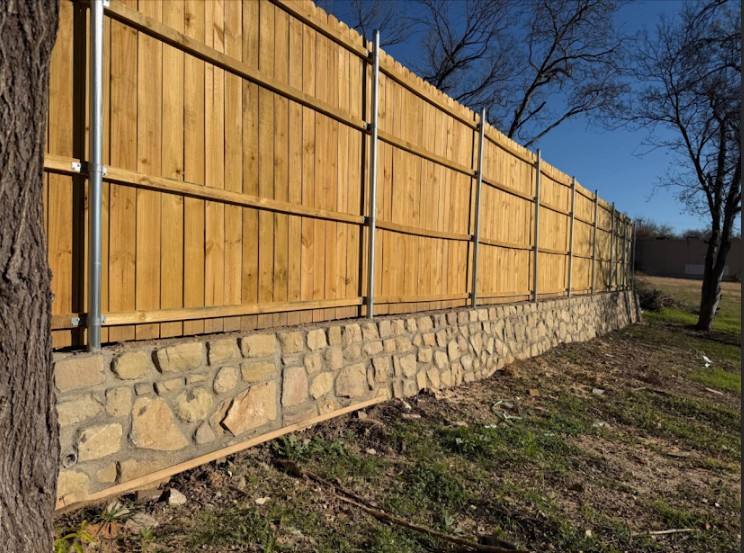
Professional Retaining Wall Installation in Frisco, TX
Why Retaining Walls Matter in North Texas
A properly engineered retaining wall installation in your Frisco or North TX home does far more than hold back soil. It stabilizes grade changes, improves drainage control, and creates usable outdoor space where slopes once limited functionality. In fast-growing communities like Frisco, many properties include elevation changes that require structural solutions rather than simple cosmetic fixes.
Homeowners often contact OhMyYard after noticing erosion, soil movement, or drainage problems in their yard. Others plan retaining walls as part of a larger outdoor living transformation that includes patios, turf, or landscape upgrades. Regardless of the starting point, the wall must perform structurally first and look clean second.
North Texas clay soils expand and contract throughout the year. Because of this, retaining walls require careful planning and proper construction methods. Walls that lack drainage, base preparation, or reinforcement often fail prematurely. At OhMyYard, we design each retaining wall system around local soil behavior and the specific load conditions of the site.
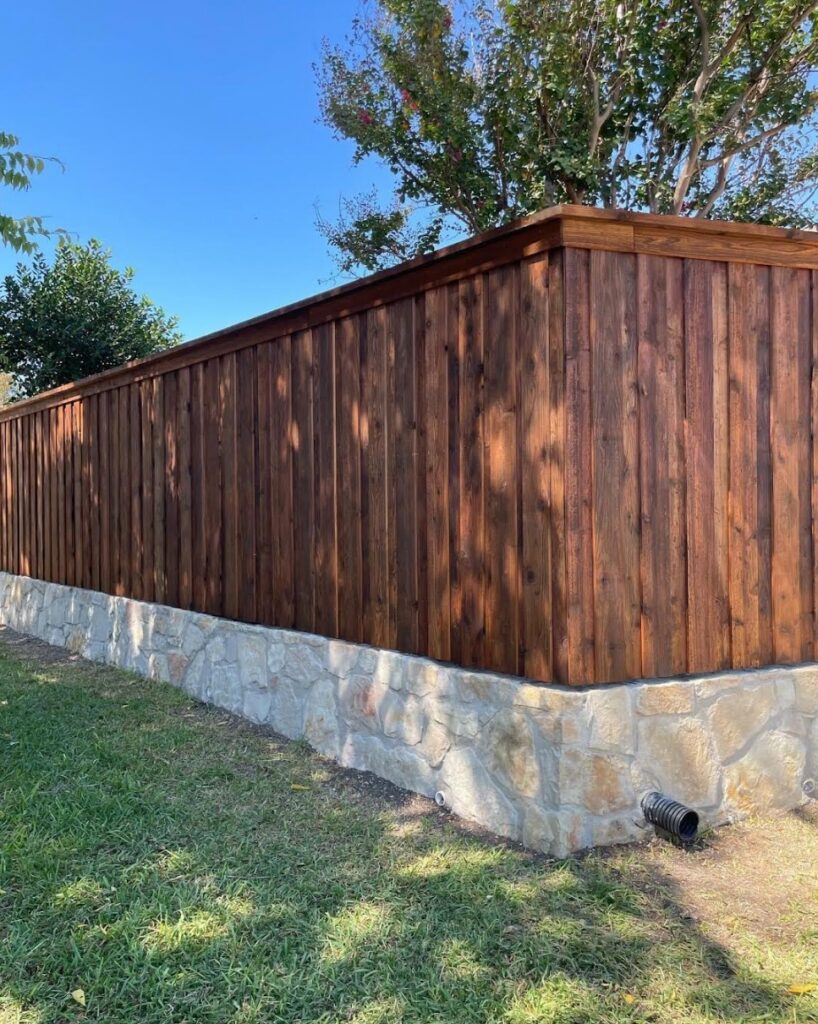
Our Retaining Wall Installation Process
Retaining walls are structural systems, not simple landscape features. Because of this, installation quality directly determines long-term performance. OhMyYard follows a step-by-step process designed to protect against common failure points in North Texas.
Site Evaluation and Engineering Review
Every project begins with a detailed site evaluation. We assess slope height, soil conditions, drainage patterns, and surcharge loads such as patios, fences, or structures above the wall. This evaluation determines the proper wall type, base depth, and reinforcement strategy.
In some situations, taller walls require additional engineering review to ensure long-term stability. Our team prioritizes structural performance before aesthetic upgrades.
Excavation and Base Preparation
Next, our crews excavate the wall footprint to the required depth and width. We remove unstable material and install a compacted aggregate base designed to support the wall system. Proper base preparation remains one of the most important factors in preventing wall settlement or rotation.
Many wall failures occur because contractors build directly on native soil without adequate compaction. OhMyYard avoids this shortcut by following strict base preparation standards.
Wall Construction and Reinforcement
After the base passes compaction checks, we begin installing the retaining wall units or structural components. Our crews maintain proper alignment, setback, and level throughout the build. Where required, we install geogrid reinforcement to improve wall stability and load distribution.
For masonry and structural walls, we follow manufacturer specifications and best practices to ensure the finished system performs as intended.
Drainage Integration Behind the Wall
Drainage is critical for any retaining wall in North Texas. Without proper water management, hydrostatic pressure can build behind the wall and lead to premature failure. To prevent this, we install drainage stone and perforated pipe where required.
This step allows water to move away from the wall rather than becoming trapped behind it. As a result, the system maintains stability over time.
Final Grading and Cleanup
Once construction is complete, we finalize grading around the wall and clean the project area. If the retaining wall is part of a larger outdoor build, we coordinate the next phases such as patios, turf, or bed edging.
Our goal is to deliver a clean, structurally sound installation that integrates smoothly with the overall backyard design.
Performance, Longevity, and Design Considerations
A retaining wall represents a long-term structural investment. While appearance matters, performance factors should guide the decision-making process.
Understanding Soil Pressure and Load
Retaining walls must resist lateral soil pressure that changes throughout the year. In North Texas, expansive clay increases this pressure during wet periods and soil expansion cycles. Because of this, proper wall design must account for both active and passive soil forces.
Walls that appear visually straight on day one can begin to lean if the underlying structure cannot handle these loads. OhMyYard builds each wall with these regional conditions in mind.
Height and Engineering Thresholds
Not all retaining walls carry the same structural demands. Short decorative walls may require minimal reinforcement, while taller grade-control walls demand more advanced engineering. Before construction begins, our team evaluates whether the wall falls into a higher structural category.
This upfront planning helps prevent costly corrections later and ensures the wall meets local performance expectations.
Integration With Outdoor Living Features
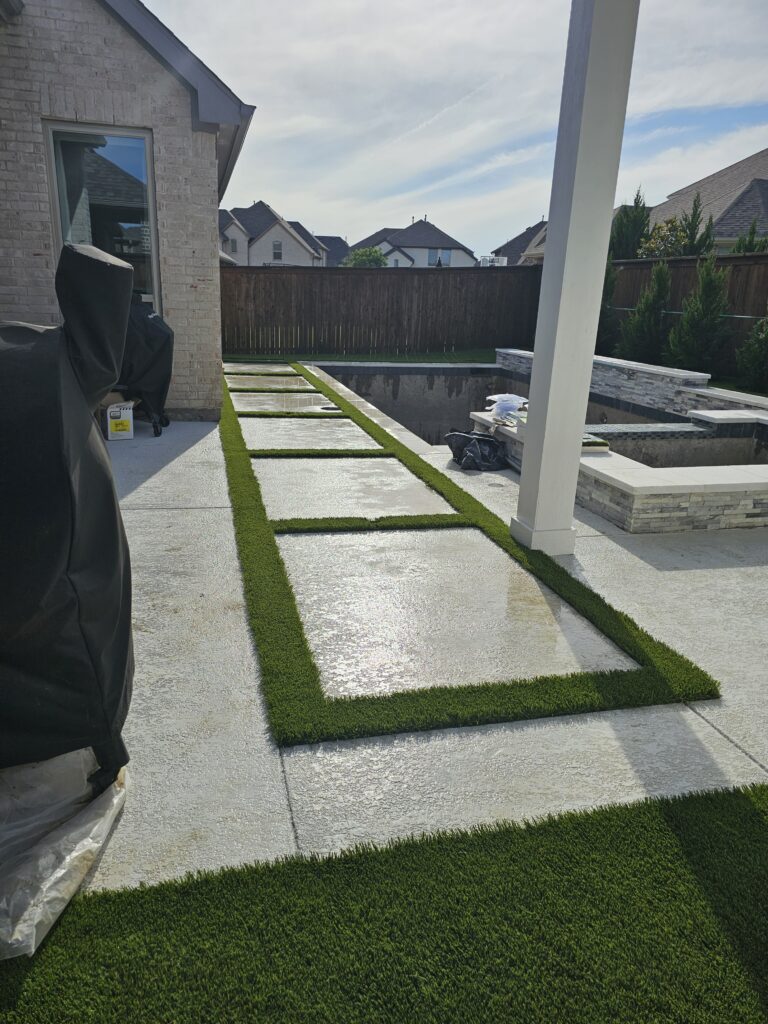
Today’s retaining walls often serve multiple purposes. In addition to grade control, they may function as seating walls, terrace dividers, or visual landscape features. When designed correctly, the wall becomes part of a cohesive outdoor living environment.
OhMyYard frequently integrates retaining walls with patios, turf areas, and outdoor gathering spaces to maximize backyard usability.
Benefits of Professionally Built Retaining Walls
Controls Erosion and Soil Movement
A properly installed retaining wall stabilizes slopes and prevents soil from washing away during heavy rain. This protection helps preserve both the landscape and nearby hardscape features.
Creates Usable Backyard Space
Retaining walls allow homeowners to reclaim sloped or uneven areas of the yard. As a result, previously unusable space can become functional outdoor living area.
Improves Drainage Management
When designed correctly, retaining walls work with the property’s drainage plan. This coordination helps move water away from structures and reduces long-term moisture problems.
Enhances Property Appearance
Modern retaining wall systems offer clean lines and attractive materials. These features allow the wall to function structurally while still improving overall curb appeal.
Supports Other Outdoor Features
Retaining walls often provide the structural support needed for patios, turf zones, and landscape areas. Building the wall correctly protects these adjacent investments.
Long-Term Structural Durability
With proper base preparation, reinforcement, and drainage, retaining walls can perform for decades. Professional installation significantly reduces the risk of leaning, bulging, or early failure.
Retaining Wall FAQ
How long does retaining wall installation take?
Most residential retaining wall projects take three to eight working days depending on height, length, and site conditions. Larger structural walls may require additional time.
Do retaining walls in Frisco require drainage?
Yes. Proper drainage is one of the most critical components of a retaining wall in North Texas. Without it, hydrostatic pressure can build behind the wall and cause failure over time.
What height retaining wall requires engineering?
Requirements vary by municipality, but many walls over three to four feet may require additional engineering review. OhMyYard evaluates each project and advises homeowners accordingly.
Can retaining walls be combined with patios or turf?
Absolutely. Many Frisco homeowners install retaining walls as part of a larger outdoor living project. OhMyYard regularly integrates walls with patios, artificial turf, and landscape features.
If your Frisco property includes slope challenges, erosion concerns, or grade changes, a professionally engineered retaining wall can dramatically improve both stability and usability. However, installation quality and drainage planning make the difference between long-term performance and early failure.
OhMyYard installs retaining wall systems designed specifically for North Texas soil conditions. Our in-house crews handle excavation, base preparation, reinforcement, and drainage integration from start to finish.